Osteoporosis often develops without symptoms until a fracture occurs. Early diagnosis and lifestyle changes can help maintain bone strength to prevent fractures.
There are powerful, practical steps you can take to protect your bone health starting today.
What Is Osteoporosis?
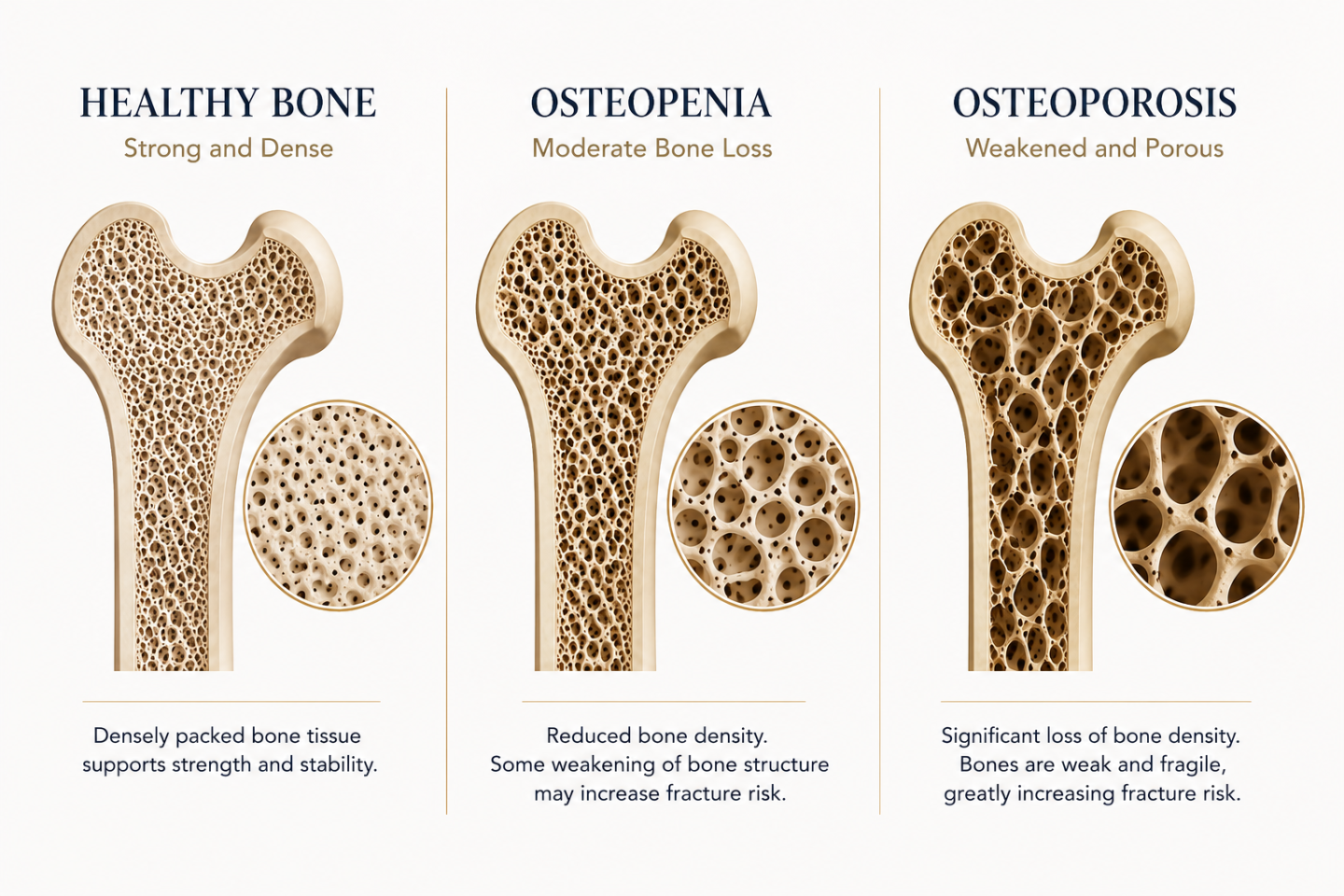
Osteoporosis is a condition where bones become weak, brittle, and more likely to break. It most commonly affects the spine, hips, and wrists.
How Is Osteoporosis Diagnosed?
Diagnosis is typically made using a DEXA scan (bone density test), which measures how strong your bones are compared to normal values.
- A T-score of -2.5 or lower indicates osteoporosis
- Scores between -1.0 and -2.5 indicate osteopenia (early bone loss)
Why Diagnosis Matters
Early detection is critical. Many patients don’t realize they have osteoporosis until they experience a fracture—and at that point, the consequences can be severe.
Vertebral Compression Fractures
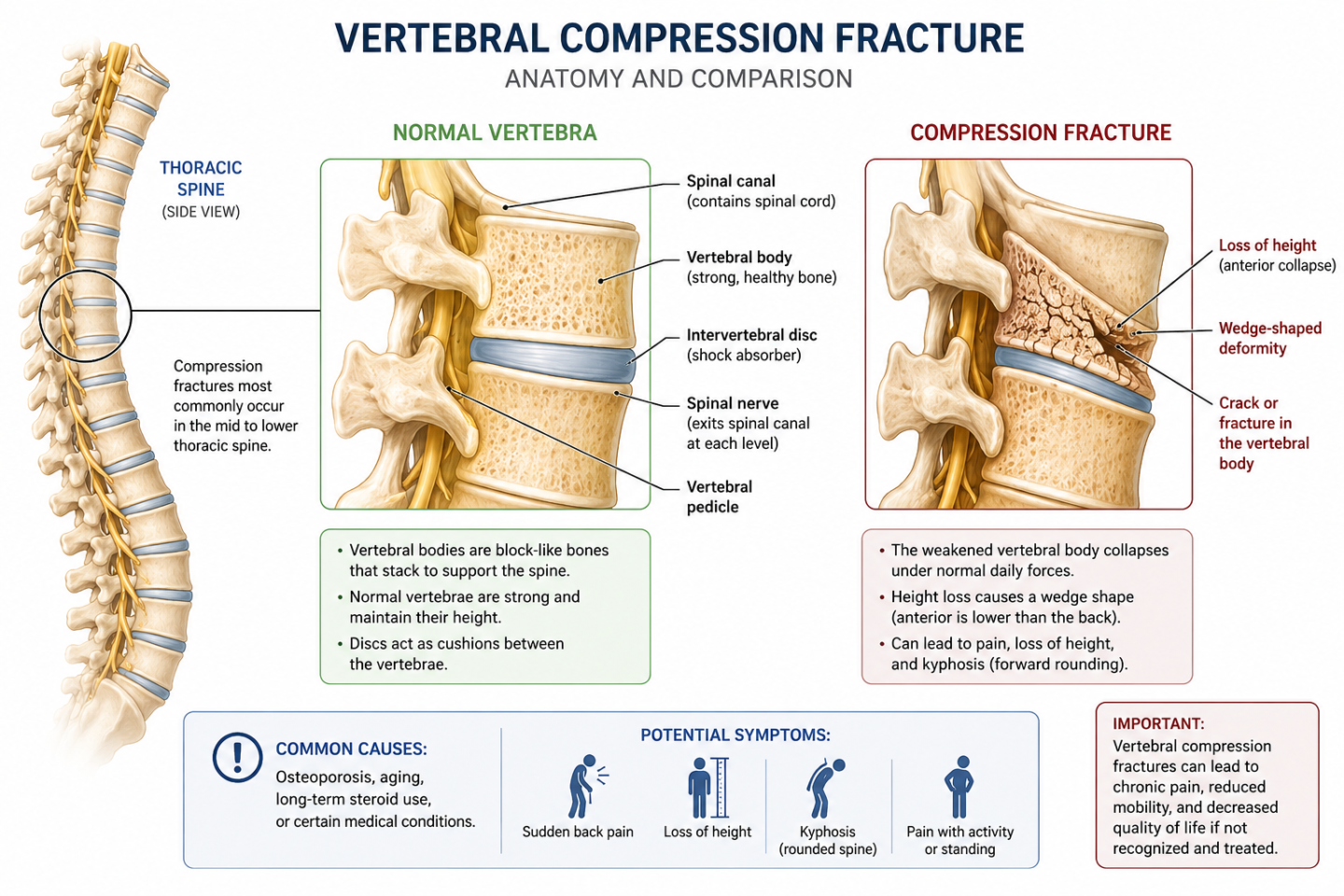
The most common fracture caused by osteoporosis is a vertebral compression fracture. These fractures occur when weakened bones in the spine collapse under normal daily activities and may develop without a significant fall or injury. They can have a profound impact on mobility, independence, and overall quality of life.
- May occur from everyday activities such as bending, lifting, or even coughing in severe osteoporosis.
- Can cause sudden back pain, loss of height, and a stooped or forward-curved posture (kyphosis).
- Many compression fractures go undiagnosed because symptoms may be mild or mistaken for normal aging or arthritis.
- Having one osteoporotic fracture significantly increases the risk of future fractures.
- Early diagnosis, proper nutrition, weight-bearing exercise, and medication when appropriate can help prevent these life-altering fractures.
Preventing that first fracture is one of the most important goals in medicine.
Nutrition: Building Strong Bones from the Inside Out
Rethinking Calcium Sources
When most people think of calcium, they think of dairy. But dairy is not necessarily the best or only source of calcium.
In fact, many plant-based sources provide excellent calcium along with additional nutrients that support overall health. Did you know that calcium from broccoli, kale, and cabbage are better absorbed by your body than a cup of milk?
Best Calcium-Rich Foods
Focus on incorporating:
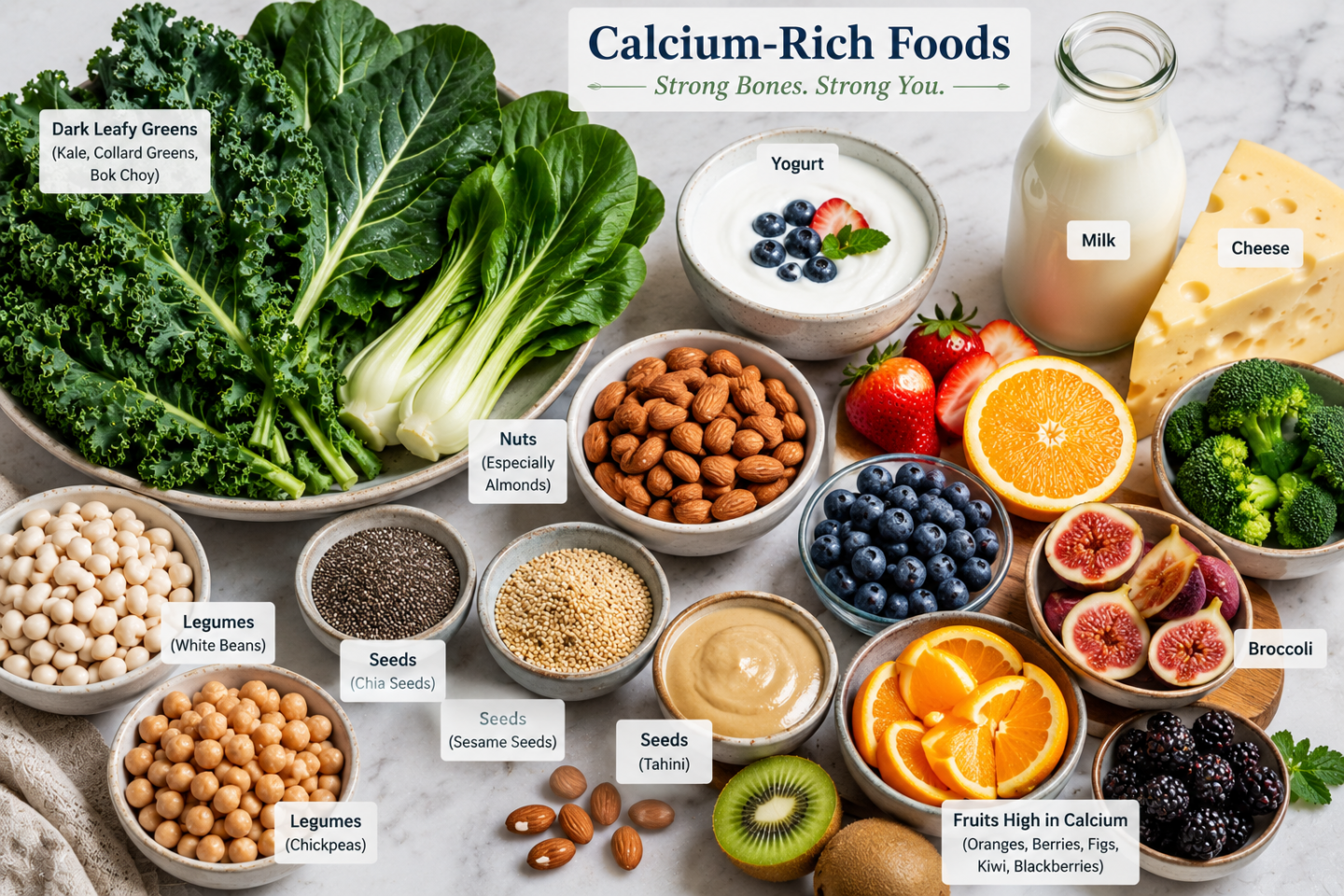
- Dark leafy greens (kale, collard greens, bok choy)
- Nuts (especially almonds)
- Seeds (chia seeds, sesame seeds, tahini)
- Legumes (white beans, chickpeas)
These foods also contain magnesium, fiber, and antioxidants—important for bone and metabolic health.
Choosing the Right Calcium Supplement
If you’re not getting enough calcium through diet alone, supplementation can help—but quality matters.
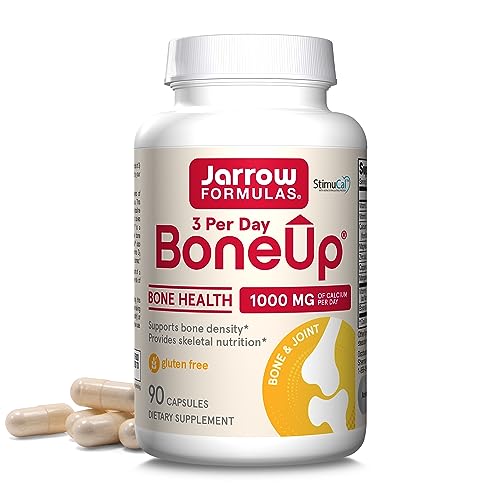
Although current osteoporosis guidelines do not recommend hydroxyapatite calcium over calcium carbonate or calcium citrate, emerging research suggests it may offer additional benefits for bone health. In my clinical practice, I have found that the quality of the calcium supplement does matter. I often recommend a high-quality hydroxyapatite calcium supplement that also contains vitamin K2 and vitamin D to support healthy bone remodeling.
Look for Hydroxyapatite Calcium
- Structurally similar to human bone because it is derived from animal bones
- Often better tolerated
- Rich in additional bone-supportive minerals and collagen
Don’t Forget Vitamin K2
Vitamin K2 plays a crucial role in directing calcium into bones (and away from arteries).
When choosing a supplement, look for:
- Calcium (preferably hydroxyapatite)
- Vitamin K2 (MK-7 form)
- Vitamin D3


Vitamin D: The Foundation of Bone Health
Vitamin D is essential for calcium absorption.
Even with a perfect diet, low vitamin D levels can impair bone strength.
What You Should Do
- Check your vitamin D level with your physician
- Aim for an optimal range (often 30–50 ng/mL, though this can vary)
- Supplement if needed
Without adequate vitamin D, calcium simply cannot do its job.
Read my article about the importance of Vitamin D.
Exercise: The Missing Link Most People Overlook
Bones are living tissue—and they respond to stress.
Why Weight-Bearing Exercise Matters
Bones get stronger when they work against resistance.
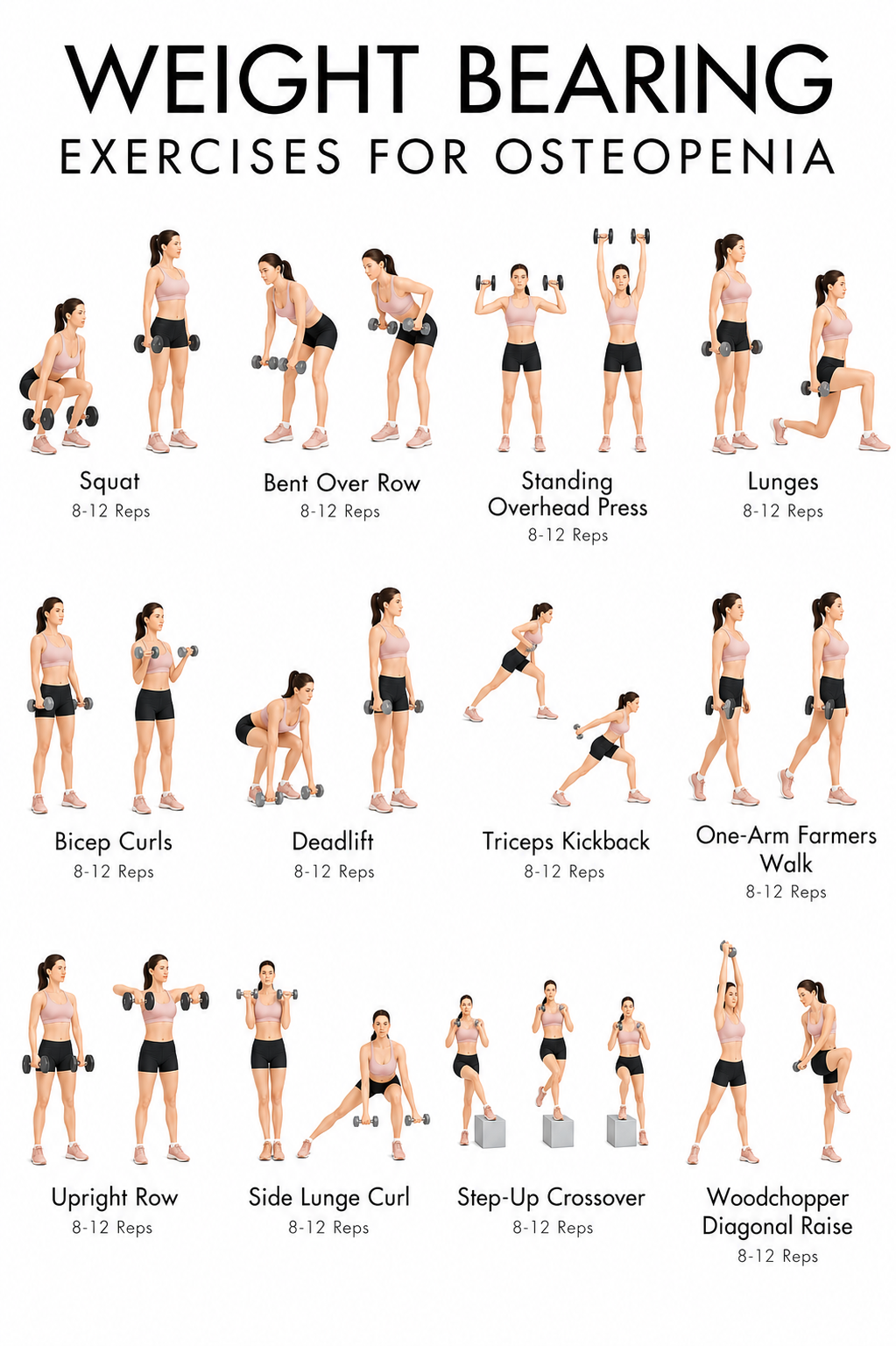
Activities that help build bone include:
- Walking or hiking
- Strength training
- Bodyweight exercises (squats, lunges)
- Resistance bands
- Light impact activities (if appropriate)
Key Takeaway
Bones like to be challenged.
Without resistance, they weaken over time.
Even small, consistent efforts can significantly improve bone density and reduce fracture risk.
When Medications Are Necessary
While lifestyle strategies are foundational, there is absolutely a time and place for medication.
For patients with:
- Severe osteoporosis
- Prior fractures
- Very high fracture risk
Medications can be life-saving.
Why This Matters
Fractures in the setting of weak bones are not minor events.
They can be:
- Life-altering
- Physically and emotionally devastating
- Associated with long-term complications and even increased mortality
The goal is not to avoid medication at all costs—but to use it thoughtfully and appropriately when needed.
Final Thoughts: A Balanced Approach to Bone Health
Protecting your bones requires a comprehensive strategy:
- ✔️ Get screened early with a DEXA scan
- ✔️ Prioritize nutrient-dense, calcium-rich foods
- ✔️ Choose high-quality supplements when needed
- ✔️ Optimize vitamin D levels
- ✔️ Engage in regular weight-bearing exercise
- ✔️ Use medications when clinically appropriate
Bone health is not just about preventing fractures—it’s about preserving independence, mobility, and quality of life.
This website is for informational purposes only and is not intended to replace professional medical advice, diagnosis, or treatment. Always consult with your healthcare provider for personalized medical guidance.
Some links on this site are affiliate links. If you click and make a purchase, I may earn a small commission at no extra cost to you.

