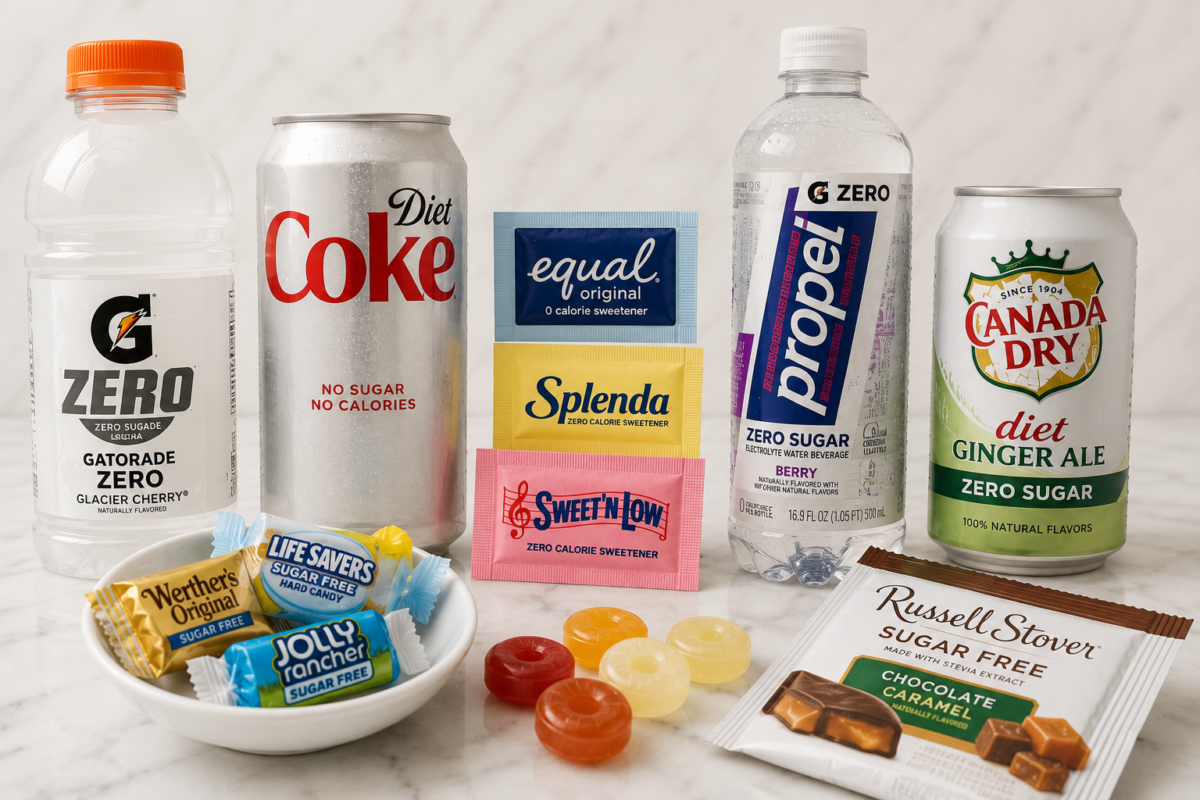
What You Should Know Before Choosing “Sugar-Free”
If you have diabetes, you’ve probably been told to avoid sugar whenever possible. Walk through any grocery store and you’ll quickly notice labels like “Sugar-Free,” “Zero Sugar,” and “No Sugar Added.” These products sound healthier, but are they really?
The answer isn’t as straightforward as the food industry would have you believe.
While replacing excess sugar with artificial sweeteners may reduce calories, emerging research suggests these products may not be as metabolically harmless as once thought. As an internal medicine physician, I’ve also noticed something interesting in my own practice: many of my patients experience better blood sugar control when they significantly reduce both added sugars and artificial sweeteners.
Things You Should Know About Artificial Sweeteners and Diabetes
1. What Does “No Sugar Added” Really Mean?
One of the biggest misconceptions is the phrase “No Sugar Added.”
Many people assume this means a product contains very little sugar.
It doesn’t.
Instead, it simply means no sugar was added during manufacturing.
The food may still naturally contain significant amounts of sugar from ingredients such as:
- Fruit juice concentrates
- Dates
- Raisins
- Applesauce
- Fruit purees
Even more importantly, many “No Sugar Added” foods contain artificial or non-nutritive sweeteners to maintain a sweet taste.
Always read the Nutrition Facts label and ingredient list—not just the front of the package.
2. Our Brains Are Wired to Love Sugar
Humans evolved in an environment where sugar was scarce.
Finding sweet foods meant finding valuable calories that improved survival.
Today, sugar is everywhere.
Our biology hasn’t changed, but our food environment has.
As a result, many people consume far more sugar than their bodies were designed to handle.
3. Artificial Sweeteners May Keep Sugar Cravings Alive
Many people switch from regular soda to diet soda hoping to reduce cravings.
Ironically, the opposite often happens.
Artificial sweeteners provide an intensely sweet taste without calories.
For some people, this may reinforce the brain’s desire for sweetness rather than helping it fade over time.
Ask someone who drinks several Diet Cokes every day—they often tell you the cravings become stronger, not weaker.
While individual responses vary, reducing your overall preference for sweet foods may be more beneficial than constantly replacing sugar with artificial sweetness.
4. Artificial Sweeteners May Affect the Gut Microbiome
Your digestive tract contains trillions of bacteria that influence:
- Blood sugar regulation
- Immune function
- Digestion
- Inflammation
- Appetite
Several studies suggest that certain artificial sweeteners—including saccharin, sucralose, and aspartame—may alter the composition of the gut microbiome in some people.
Researchers are still studying how significant these changes are, but maintaining a healthy gut microbiome appears to play an important role in metabolic health.
5. They May Influence Appetite and Hunger
One reason artificial sweeteners remain controversial is their potential effect on appetite.
Although they contain few or no calories, the sweet taste may activate pathways involved in hunger and food reward.
Some studies suggest artificial sweeteners may increase appetite or lead people to consume more calories later in the day, while other studies have found neutral or beneficial effects. The evidence is mixed, but it’s reasonable to pay attention to how your own body responds.
If drinking diet beverages leaves you craving sweets shortly afterward, that’s useful information.
6. What I’ve Seen in Clinical Practice
As a physician caring for patients with diabetes every day, I’ve noticed a consistent pattern.
Patients who reduce both added sugars and artificial sweeteners often tell me they experience:
- Better blood sugar control
- Fewer cravings
- Less snacking
- Easier weight management
This is a clinical observation rather than proof of cause and effect, but it’s one reason I encourage patients to gradually reduce their overall preference for sweet foods instead of simply replacing sugar with artificial alternatives.
7. Don’t Be Afraid of Small Amounts of Real Sugar
Many people believe they must eliminate sugar completely.
In reality, moderation is usually more sustainable.
Instead of replacing every source of sugar with artificial sweeteners, focus on:
- Eating fewer processed foods
- Choosing whole fruits over sweetened snacks
- Enjoying occasional desserts in reasonable portions
- Prioritizing protein, vegetables, legumes, and healthy fats
The goal isn’t perfection.
The goal is reducing your overall intake of added sugars while building healthier eating habits that you can maintain long term.
8. Consider Using a Continuous Glucose Monitor
If you’re curious how different foods affect your body, consider wearing a continuous glucose monitor (CGM).
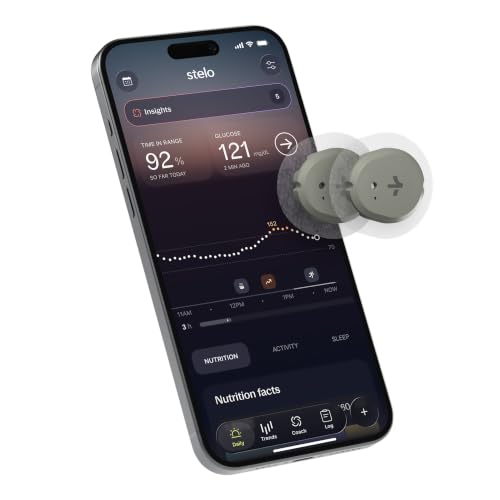
CGMs provide real-time feedback on how your blood sugar responds to:
- Artificial sweeteners
- Regular sugar
- White bread
- Fruit
- Oatmeal
- Exercise
- Sleep
Many people are surprised to discover that foods affect them differently than expected.
Rather than relying solely on headlines or social media, a CGM allows you to make decisions based on your own body’s response.
My Take as a Physician
There is no question that Americans consume too much added sugar.
Artificial sweeteners may seem like the perfect solution, but the science is becoming increasingly complex. While they can help reduce calorie intake for some individuals, they may also affect appetite, food preferences, and the gut microbiome in ways we’re still working to understand.
My recommendation is simple:
Train your palate to enjoy foods that are naturally less sweet. Over time, your cravings often decrease, making healthy eating feel much easier.
Rather than choosing between sugar and artificial sweeteners, strive to rely less on both whenever possible.
This website is for informational purposes only and is not intended to replace professional medical advice, diagnosis, or treatment. Always consult with your healthcare provider for personalized medical guidance.
Some links on this site are affiliate links. If you click and make a purchase, I may earn a small commission at no extra cost to you.

