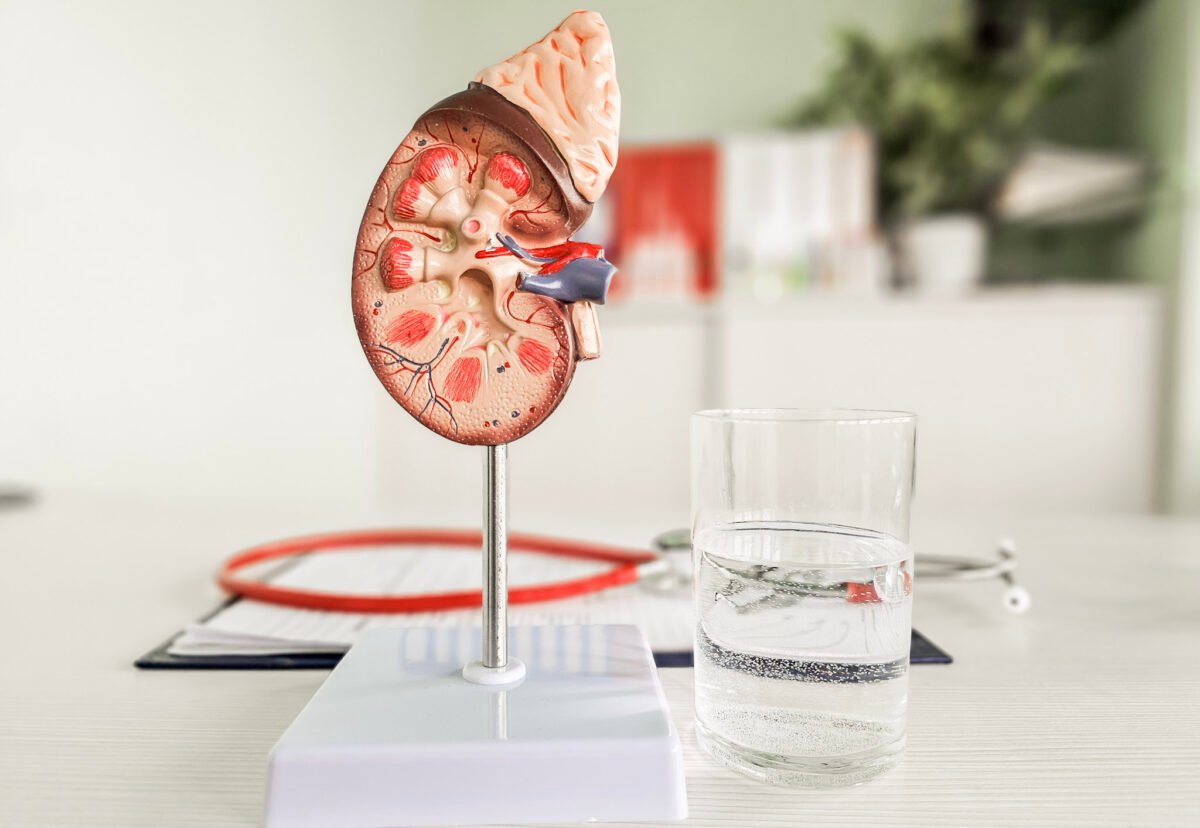
Hydration is one of the simplest—and most overlooked—ways to protect your kidney health. As an internal medicine physician, I often see patients focusing on supplements, detoxes, or expensive treatments, while missing this basic daily habit: drinking enough water.
Your kidneys work around the clock to filter waste, balance electrolytes, and regulate blood pressure. But they can only do their job well when they’re properly hydrated. Let’s break down why hydration matters so much for your kidneys and how to make it part of your everyday routine.
What Do Your Kidneys Actually Do?
Your kidneys are powerful filtering organs. Every day, they:
- Filter waste and toxins from your blood
- Remove excess fluid through urine
- Balance sodium, potassium, and other electrolytes
- Help regulate blood pressure
- Support red blood cell production
To perform these tasks efficiently, your kidneys rely heavily on adequate fluid intake.
Why Hydration Is Essential for Kidney Health
1. Helps Flush Out Toxins
Water allows your kidneys to dilute and excrete waste products through urine. When you’re dehydrated, urine becomes more concentrated, making it harder for kidneys to eliminate toxins efficiently
2. Reduces the Risk of Kidney Stones
Kidney stones often form when urine is too concentrated. Staying well-hydrated dilutes minerals like calcium and oxalate, lowering the risk of stone formation—something I see frequently in clinical practice.
3. Supports Healthy Blood Flow to the Kidneys
Dehydration can reduce blood flow to the kidneys, stressing these delicate organs and potentially leading to acute kidney injury, especially during illness, exercise, or hot weather.
4. Helps Prevent Urinary Tract Infections (UTIs)
Adequate hydration encourages frequent urination, which helps flush bacteria out of the urinary tract before infections can develop.
Signs You May Not Be Drinking Enough Water
Many people are chronically under-hydrated without realizing it. Common signs include:
- Dark yellow urine
- Fatigue or low energy
- Headaches
- Dry mouth or skin
- Muscle cramps
- Infrequent urination
- Low GFR (Glomerular Filtration Rate) on recent blood work
Pale yellow urine is usually a good sign of adequate hydration.
How Much Water Do Your Kidneys Need?
There’s no one-size-fits-all number, but a general guideline is:
- Women: ~2–2.5 liters per day
- Men: ~2.5–3 liters per day
You may need more if you:
- Exercise regularly
- Live in a hot climate
- Are pregnant or breastfeeding
- Have a history of kidney stones
Patients with heart failure or advanced kidney disease should talk with their physician before increasing fluid intake.
Hydration Tips for Busy, Real Life
As a busy mom and physician with a packed schedule, I know hydration has to be realistic. Here’s what I recommend:
- Start your morning with a full glass of water
- Carry a reusable 1-2 Liter water bottle when you leave the house
- If you’re home for the day, set out a pitcher of water nearby
- Flavor water naturally with lemons, oranges, cucumbers, or berries
- Drink a glass of water with every meal


Do Coffee and Tea Count?
Yes—they do count toward hydration. While caffeine has a mild diuretic effect, moderate intake doesn’t negate the fluid benefit. That said, water should still be your primary source of hydration.
Hydration Is Preventive Medicine
One of the most powerful things you can do for your kidneys doesn’t come from a prescription—it comes from your water bottle. Proper hydration supports kidney function, lowers disease risk, and helps your body work the way it was designed to.
If you’re unsure how much fluid is right for you, especially if you have kidney disease, high blood pressure, or diabetes, speak with your physician for personalized guidance.
Final Takeaway
Hydration keeps your kidneys flowing, filtering, and functioning at their best. Small daily habits truly make a long-term difference.
This website is for informational purposes only and is not intended to replace professional medical advice, diagnosis, or treatment. Always consult with your healthcare provider for personalized medical guidance.
Some links on this site are affiliate links. If you click and make a purchase, I may earn a small commission at no extra cost to you.
