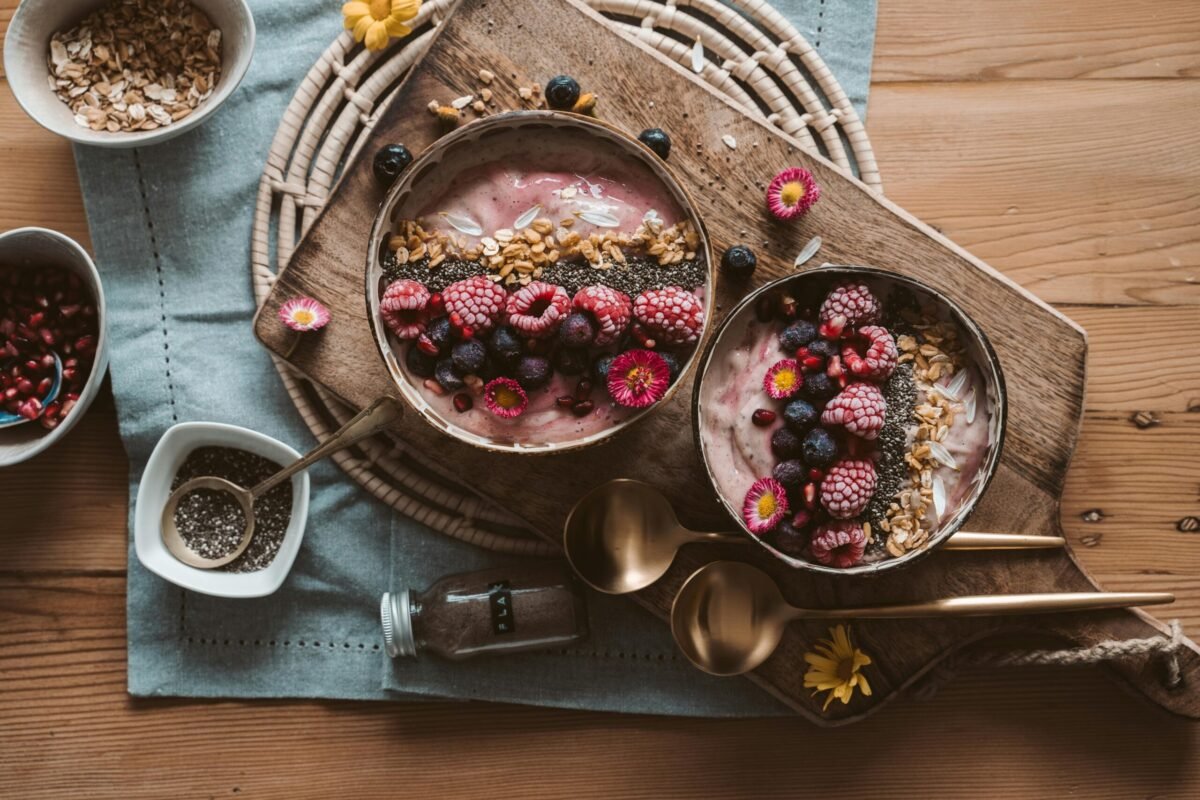
Constipation is one of the most common digestive complaints, affecting millions of adults each year. It’s defined as having fewer than three bowel movements per week, or stools that are hard, dry, and difficult to pass. While occasional constipation is normal, chronic issues can impact your health and quality of life. Fortunately, there are safe and effective ways to both prevent constipation and simple ways to treat it naturally.
1. Stay Hydrated: The First Step in Prevention
One of the simplest yet most overlooked strategies for avoiding constipation is drinking enough water. When your body is dehydrated, your colon pulls extra water from stool, making it harder and more difficult to pass. Aim for at least 2-3 Liters of water daily, and more if you exercise or live in a hot climate.
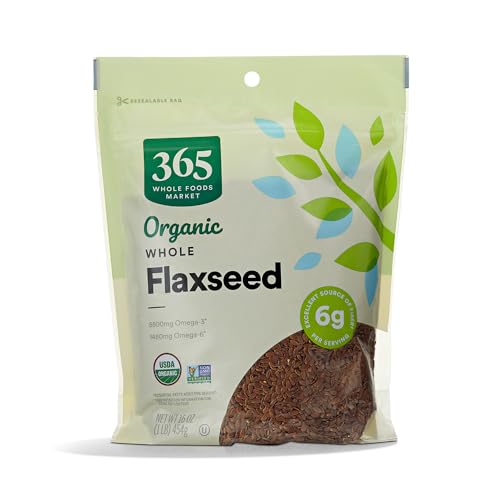
2. Eat Fiber-Rich Foods: Chia Seeds and Flax Seeds
Fiber is essential for regular bowel movements. It adds bulk, helps stool retain water, and supports a healthy gut microbiome.
- Chia seeds absorb water to form a gel-like texture that softens stool.
- Flax seeds provide both soluble and insoluble fiber, which keep things moving smoothly.
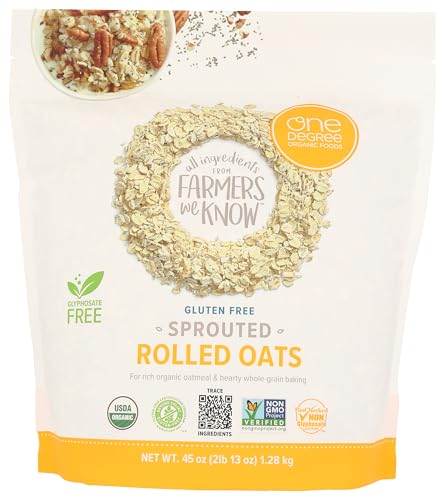
- Oats provide a mix of soluble and insoluble fiber for gentle digestion
- Wheat bran is another effective remedy improving stool weight and frequency
Start with 1–2 tablespoons daily, sprinkled on yogurt, oatmeal, or smoothies. Be sure to drink extra water with them to prevent the opposite effect—worsening constipation.

3. Vitamin C: A Gentle Laxative Effect
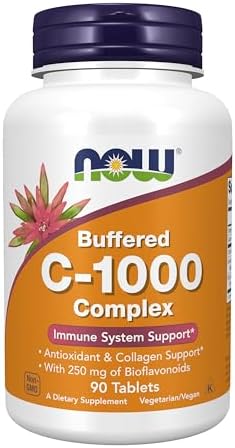
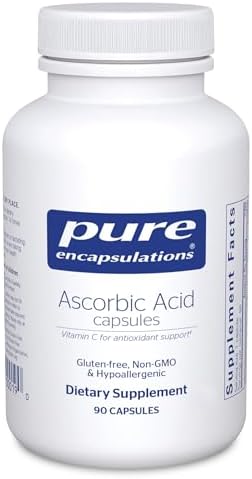
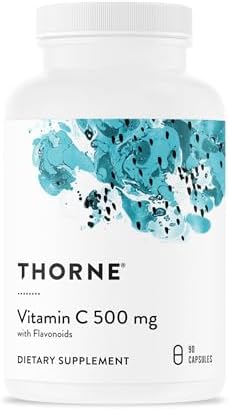
Vitamin C isn’t just for your immune system—it also has a natural osmotic effect in the digestive tract. This means it draws water into the intestines, softening stool and making bowel movements easier.
- Most adults tolerate 1,000–2,000 mg daily without issue. Start low with 500 mg daily and increase if needed.
- Too much may cause loose stools, which can actually be used intentionally for constipation relief.
- Vitamin C rich foods like kiwis, strawberries, oranges can be consumed as an alternative to supplements. This works great for kids.
4. Medium Chain Triglycerides (MCTs): Stool Softening Support
MCT oil, found in coconut oil and available as a supplement, may help soften stool by gently stimulating digestion and improving fat absorption. Start with 1 teaspoon daily, increasing slowly to avoid stomach upset. MCTs also provide quick energy and can be a helpful addition to smoothies or coffee.
5. Regular Exercise: Keep Your Digestion Moving
Movement encourages movement. Physical activity stimulates intestinal contractions (peristalsis), which helps stool move through the colon. Aim for at least 30 minutes of moderate activity most days—walking, cycling, yoga, or swimming all support healthy digestion and overall well-being.
6. Add Probiotic-Rich Foods to Improve Gut Motility
Probiotic-rich foods help support a healthy gut microbiome, which plays a key role in digestive motility. Foods like yogurt, kefir, kimchi, sauerkraut, miso, and kombucha introduce beneficial bacteria that can improve stool consistency, enhance peristalsis, and reduce inflammation in the gut. Regular intake of probiotics has been shown to improve bowel movement frequency and ease constipation in many individuals. Aim for at least one serving of fermented foods daily, and pair them with prebiotic fibers (like oats, bananas, or onions) to help those healthy bacteria thrive.
7. Magnesium Citrate: When to Use It
For occasional severe constipation that doesn’t respond to lifestyle changes, liquid single dose magnesium citrate can be an effective short-term solution. It works by drawing water into the intestines, producing a bowel movement within 30 minutes to 6 hours. This is sometimes used in emergency or urgent care settings.
Important considerations:
- Use it only occasionally, not as a daily treatment.
- Follow the dosing instructions on the label.
- Avoid if you have kidney problems or are on certain medications because it can raise blood magnesium levels—check with your physician first.
Putting It All Together
Constipation doesn’t have to be a constant battle. By focusing on hydration, fiber-rich foods, vitamin C, MCT oil, exercise, and occasional magnesium citrate, you can keep your digestion regular in a safe, natural way.
Remember—if constipation is persistent, worsening, or accompanied by pain, blood, or weight loss, it’s important to consult your healthcare provider to rule out underlying conditions.
This website is for informational purposes only and is not intended to replace professional medical advice, diagnosis, or treatment. Always consult with your healthcare provider for personalized medical guidance.
Some links on this site are affiliate links. If you click and make a purchase, I may earn a small commission at no extra cost to you.
